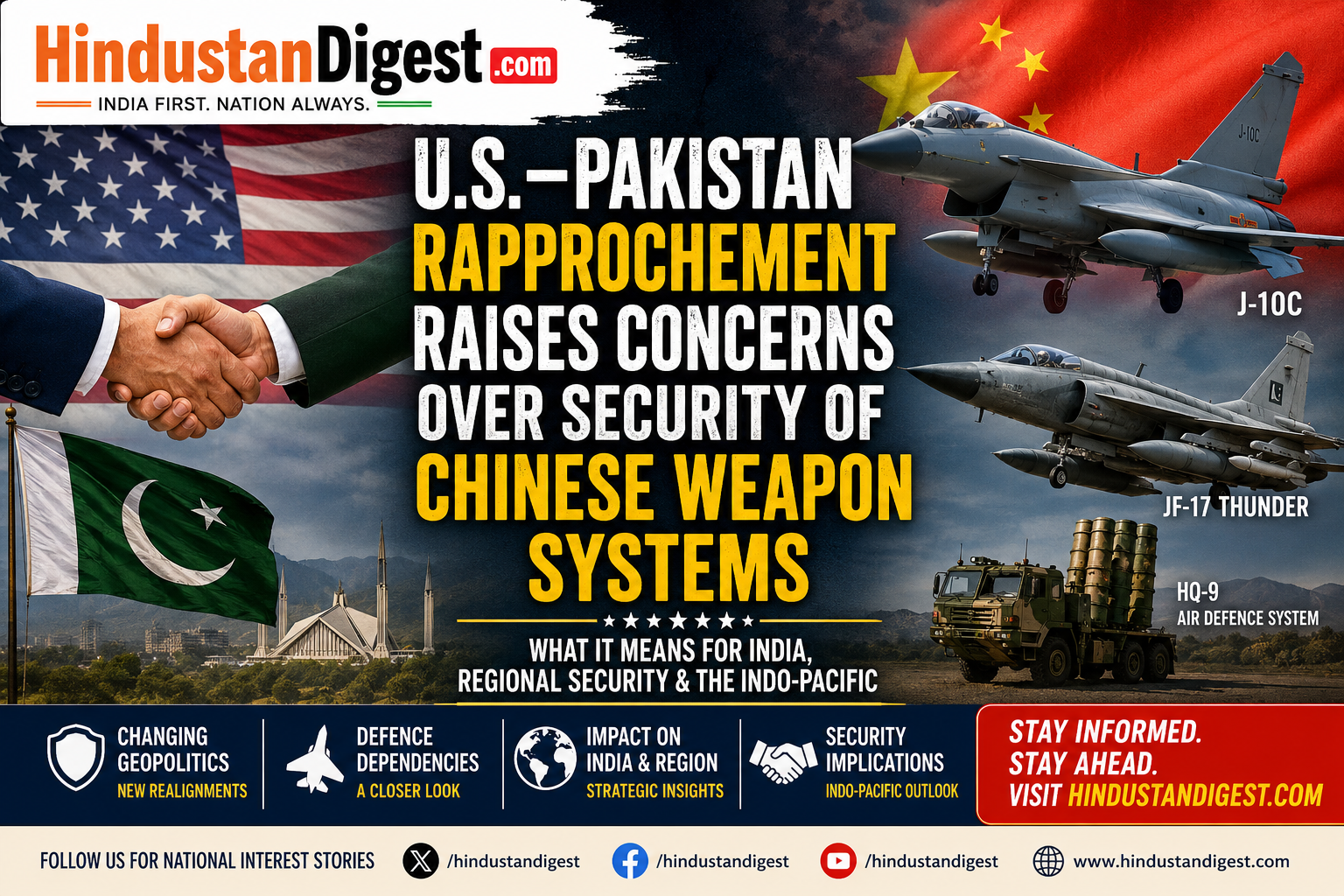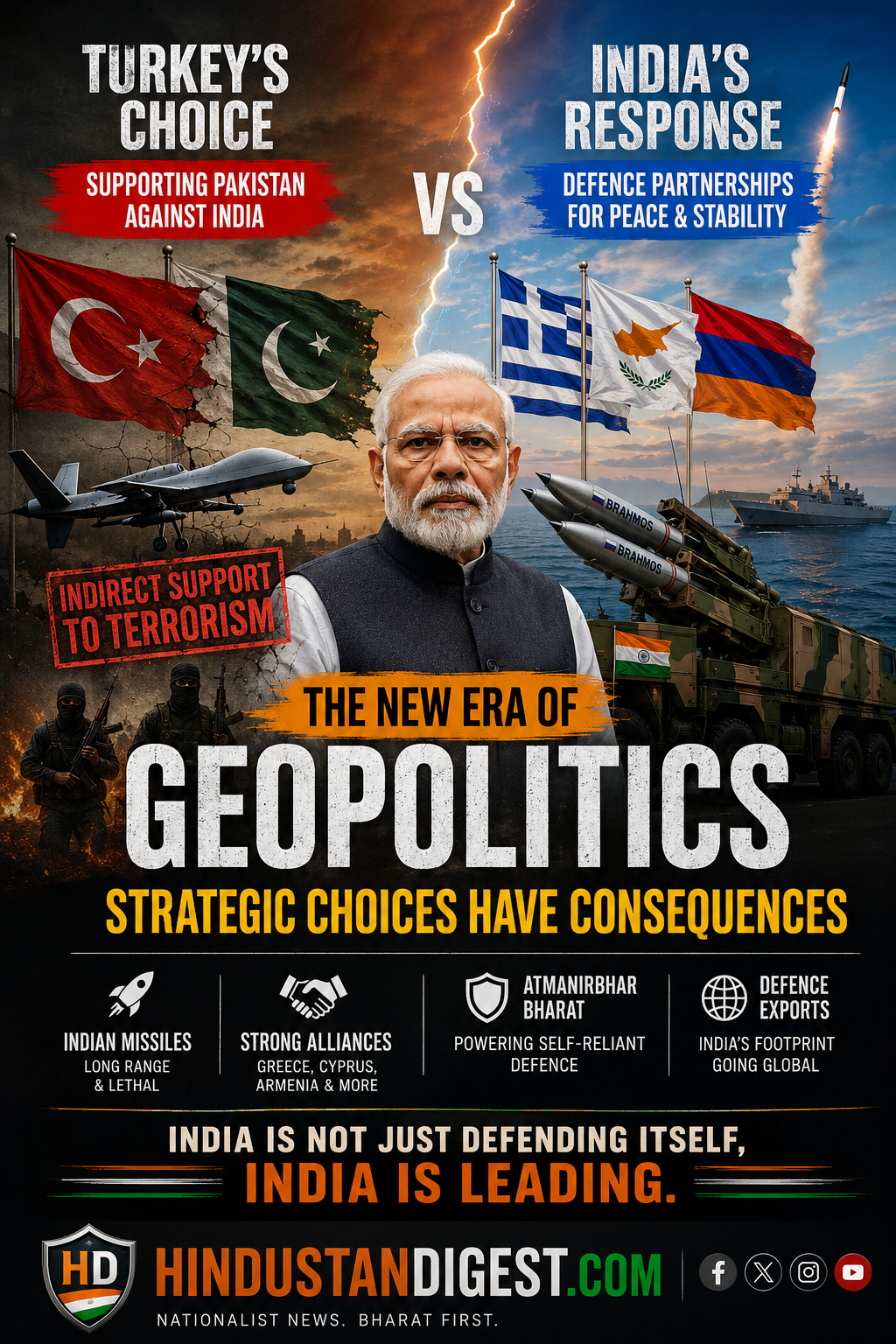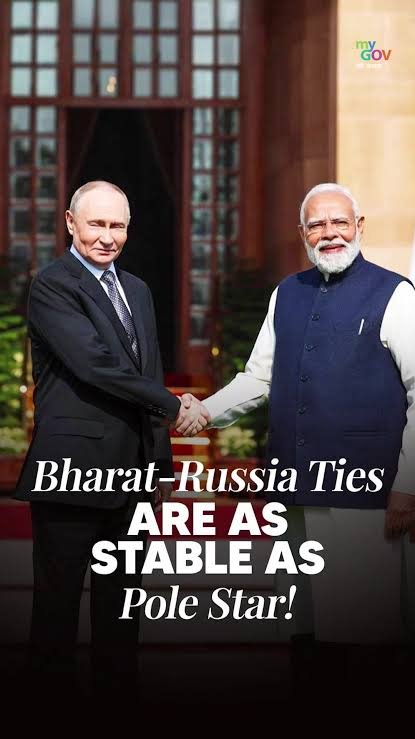
Trump, Nobel Peace Prize and the “Great India–Russia Bromance”:
A Deep Dive into Global Diplomacy
Introduction: When geopolitics meets plot twists
In an astonishing twist only 21st-century geopolitics could produce somewhere between clickbait headlines and Nobel Prize wish-lists.
Former Pentagon official Michael Rubin declared that Donald Trump deserves a Nobel Peace Prize for bringing India and Russia closer together. Yes, you read that correctly. According to Rubin, Trump’s foreign policy somehow forged heightened Indo-Russian cooperation.
Never mind that India and Russia have been strategic partners since the Cold War, long before tower hotels, Twitter diplomacy and red MAGA hats entered the scene. But in a world where reality competes with satire, why not?
Let’s unroll this geopolitical yoga mat and stretch through decades of strategic contortions to see how we ended up with this headline.
A Short History: India and Russia , like old friends who never unfriended each other
Before Trump, before Michael Rubin, and long before US think-tankers discovered “Indo-Pacific strategy” as a snazzy phrase, India and Russia had a stable, transactional friendship:
The Cold War made Moscow India’s main defence supplier.
Russia vetoed UN resolutions against India multiple times.
India bought tanks, fighter jets, submarines, missiles and even nuclear reactor technology from Russia.
Delhi saw Russia as a dependable partner who didn’t lecture about human rights, democracy, or climate guilt.
So yes, India and Russia were already close. Awarding Trump a Nobel Prize for “uniting them” is like awarding someone a medal because Britain still drinks tea.
Enter the United States: Hello lectures, sanctions and questionable enthusiasm
For decades, Washington treated India like a non-aligned fence-sitter who refused to pick a side. After India tested nuclear weapons in 1998, the US slapped sanctions. Relations improved under Bush and Obama, but mistrust lingered after all. India continued buying Russian arms and running joint defence programs while Washington preferred its partners neatly lined up behind NATO banners.
Cue Trump.
Trump’s India policy: transactional bromance meets tariffs and tantrums
Donald Trump stormed into the Oval Office, professed admiration for India, hugged Prime Minister Narendra Modi in stadium rallies, yet:
Threatened India with trade tariffs,
Withdrew India’s special market concessions under GSP,
Pressured India to stop buying Russian weapons,
Lectured Delhi on Pakistan and China in alternately confusing tones.
But yes, apparently this turbulence somehow united India and Russia. Perhaps in the way two siblings bond while complaining about a noisy relative.
Russia’s perspective: Dear India, you’re all I have left
Post-Ukraine conflict, Western governments isolated Moscow. Russia’s economy shrank under sanctions, oil buyers disappeared, and Putin needed allies who were not named “Belarus.”
India stepped in and began:
Buying Russian oil at bargain rates,
Expanding rupee-ruble trade discussions,
Continuing defence purchases and joint technology projects.
India didn’t do this because Trump signed a cosmic peace pact. It did so because Russia offered cheap energy in a world of inflation and because strategic autonomy is India’s favourite foreign policy yoga pose.
Where China fits in: The dragon in the living room
China complicates the whole story:
China is cozy with Russia, but
China is hostile to India,
While Russia likes both India and China,
And the US wants India to balance China.
It is the geopolitical equivalent of a messy group chat where everyone complains about someone but keeps them on mute.
China’s aggression along the India border (Doklam 2017, Ladakh 2020) pushed India closer to the US militarily. But it also kept India dependent on Russian arms because Russia is neutral toward China. So Rubin’s “Trump united India and Russia” claim ignores the big, expensive elephant: India was never going to dump Moscow while facing China.
So what “unity” did Rubin see?
Rubin’s comment seems to reflect a political narrative rather than historical reality. But let’s give the sarcasm a rest and examine why someone might argue Trump influenced this trajectory:
1. Trump pressured India not to buy Russian defence systems, and India politely ignored him.
Result: India doubled down on Russian ties. Congratulations, unintended consequence unlocked.
2. Trump’s unpredictable diplomacy drove allies to diversify relationships,
India may have sought predictable Moscow engagement to hedge against US drama.
3. US withdrawal and isolationism created strategic vacuums
India–Russia cooperation filled them.
But calling this a Nobel-worthy strategy is like crediting gravity to a man who jumped off a roof.
India’s balancing act: multi-alignment is the new alignment
India isn’t picking between Russia, America or China. It is picking all of them, selectively.
US for technology, trade and China balancing.
Russia for defence, energy and geopolitical backup.
China for manufacturing integration, though reluctantly
Europe for markets.
Japan for infrastructure.
Trump may have tried to force India into America’s camp, but India prefers cafeteria diplomacy and not prix fixe menus.
The US–India love-hate story continues
Despite Rubin’s claim that Trump handled India poorly, many in Washington believe Trump awakened strategic cooperation against China.
QUAD revived (US, Japan, India, Australia).
Indo-Pacific terminology became mainstream.
Defence cooperation improved, even if Trump didn’t fully understand why.
But relations were hardly smooth tariffs, immigration policy, Afghan withdrawal aftermath, and reluctance to condemn Russia strained ties.
The Russia–India relationship: old habits die hard
Russia offers India something America doesn’t: non-interference.
No lectures about free speech.
No think-tank warnings about democratic backsliding.
No sanctions threats (well, except CAATSA but India just ignored those too).
And India likes this.
Add discounted oil and co-production of weapons, and you see why India didn’t abandon Moscow just because Foggy Bottom wished it.
What Nobel prize are we talking about again?
Rubin’s statement fits neatly into America’s domestic political theatre:
Praise Trump to appeal to conservative voters.
Criticise his India policy to appear nuanced.
Suggesting Trump deserves a Nobel for India–Russia “unity” is geopolitically creative, but historically hilarious.
India and Russia bonded long before Trump learned to tweet “covfefe.”
China’s silent applause (or eye-roll)
China benefits from India’s refusal to fully align with America.
It weakens Washington’s Indo-Pacific containment narrative.
But China also dislikes India–Russia closeness because Moscow might share technology that helps Delhi counter Beijing.
So yes, everyone is annoyed, everyone is pleased, and no one wants to admit they need each other.
Conclusion: Nobel Prize diplomacy meets comedy reality
Michael Rubin’s statement is really a commentary on modern geopolitics:
Domestic politics turn foreign affairs into performance art.
Analysts make sweeping claims to get attention.
Sarcasm practically writes itself.
India will keep buying Russian oil, joining US military exercises, and arguing with China at mountain borders.
Russia will sell weapons to India because every ruble counts and because India is one of the few capitals still taking Putin’s calls.
The US will keep courting India while grumbling because it needs India against China more than India needs American approval.
So does Trump deserve a Nobel Prize? Maybe, if there’s a category for Accidental Strategic Outcomes Caused Through Unpredictable Behavior.
Otherwise, the committee might want to stick to the usual peace-ish stuff.
Team Hindustan Digest
Please Read: