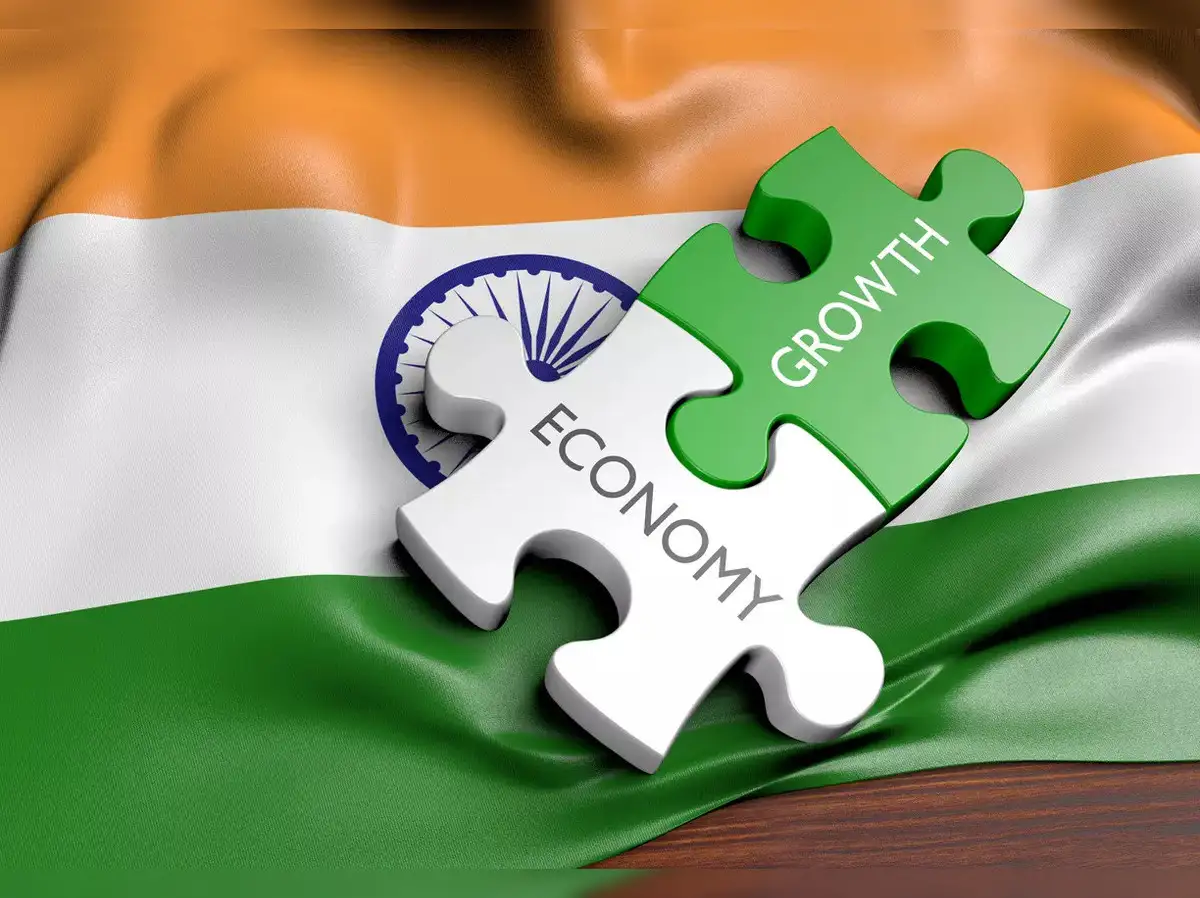
GDP Surges, Inflation Slides: RBI’s Rate-Cut Dilemma Deepens
A Comprehensive Analysis for 2025 Monetary Policy Outlook
India’s economy delivered an impressive performance in the June–September 2025 quarter, with GDP growth outpacing expectations even as inflation continued its steady downward slide.
This unique macroeconomic combination has intensified the Reserve Bank of India’s (RBI) policy dilemma:
Should it prioritise supporting growth with rate cuts or maintain a cautious stance to safeguard stability?
📌 Key Highlights
India’s GDP growth surged beyond market forecasts in Q2 FY26 (June–September 2025).
Inflation dropped closer to the RBI’s medium-term target of 4%.
Manufacturing and services were the main growth engines.
Global economic easing has increased pressure on the RBI to pivot.
Despite favourable data, RBI remains cautious due to fiscal risks and global uncertainties.
India’s GDP Growth Surges Ahead of Expectations
India continued to solidify its position as one of the world’s fastest-growing major economies.
Early estimates suggest:
GDP growth strengthened, supported by:
Robust manufacturing output
Improved services activity
Strong export performance despite sluggish global demand
Rising private investment, especially in infrastructure, renewable energy, and technology
The government’s increased capital expenditure and private-sector revival further amplified growth momentum.
What’s Driving India’s 2025 Economic Momentum?
PLI schemes boosting domestic production
Digital and fintech expansion accelerating service sector output
Rural recovery aided by better monsoon distribution
Improved global supply chain conditions
Together, these factors have kept India on a stable, high-growth trajectory.
Inflation Continues to Slide — A Positive Signal for Households and Markets
In parallel with strong GDP data, India’s inflation indicators showed improvement:
Headline CPI inflation fell closer to the RBI’s 4% target
Core inflation eased, reflecting reduced pricing pressures in discretionary goods
Food inflation moderated due to improved supply conditions
This combination of rising growth with falling inflation is rare and typically encourages central banks to consider monetary easing.
Why RBI Still Faces a Tough Rate-Cut Dilemma
Despite the favourable macroeconomic environment, the RBI is not rushing into a rate cut.
Here’s why:
1. Global Monetary Policy Uncertainty
While many major economies have started cutting rates in 2025, global financial markets remain volatile.
The RBI must consider:
Oil price fluctuations
Geopolitical tensions
Potential resurgence of inflation in advanced economies
Capital flow volatility
2. Domestic Fiscal Concerns
High government borrowing
Potential election-related spending pressures
Sticky food inflation risks
These issues make the RBI wary of premature easing.
3. Desire for Clear & Sustained Disinflation
The central bank prefers consistent inflation readings near 4% rather than temporary dips.
Market Expectations: Is a Rate Cut Coming?
Financial markets are increasingly pricing in a rate cut in early 2026, if:
Inflation remains on a downward path
Growth stays robust but not overheated
Global rate cuts accelerate
Bond yields have already reacted, with the market anticipating an accommodative shift.
Potential RBI Policy Scenarios (2025–26)
▶ Scenario 1: Early Rate Cut (Most Likely)
If inflation holds below 5% consistently and growth remains strong, the RBI may begin a gradual rate-cut cycle by early 2026.
▶ Scenario 2: No Change Until Mid-2026
If uncertainty persists, the RBI could maintain a status quo stance, prioritizing stability over growth support.
▶ Scenario 3: Surprise Hawkish Pause
In case of:
Oil price spikes
Supply shocks
Sharp rise in global inflation
RBI may delay cuts significantly.
Impact on Consumers and Businesses
🏠 For Households
Possible future reductions in home loan and auto loan EMIs
Improved borrowing affordability
🏢 For Businesses
Lower financing costs
Boost to capital investment
Higher liquidity in markets
📈 For Investors
Positive sentiment for equities
Bond yields may fall
Real estate cycle may strengthen
Conclusion: RBI Walks a Tightrope as India Balances Growth and Stability
India’s economy is sending positive signals with strong GDP growth, cooling inflation, and recovering consumption.
But the RBI’s balancing act between growth support and risk management remains complex.
Until global and domestic uncertainties ease further, the central bank is likely to adopt a measured, data-driven approach.
The coming quarters will reveal whether India transitions into a full-fledged low-inflation, high-growth cycle, opening the door for long-awaited rate cuts.
Team Hindustan Digest
Also Read. Angel Investing in India: The New Wave of Micro-Angels


2 thoughts on “GDP Surges, Inflation Slides: RBI’s Rate-Cut Dilemma Deepens”